BE PREPARED! crisis supplies
Showing all 3 results
-
- 18%

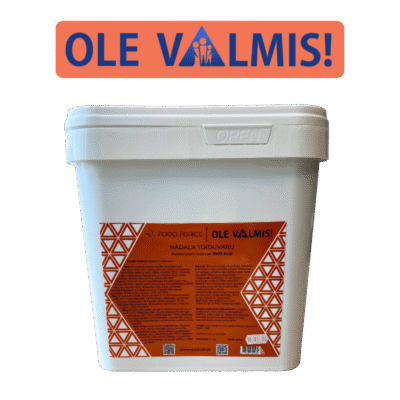
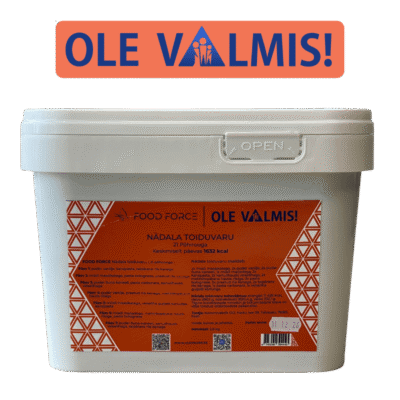
Full week’s food supply FOOD FORCE
Original price was: 120.00 €.99.00 €Current price is: 99.00 €. Add to cart -
Weekly Food Supply BE PREPARED! – meals, snacks, and extras (104 items included)
120.00 € Add to cart -
Weekly food supply BE PREPARED! set with 21 meals
110.00 € Read more

What crisis supplies should every home have?
Crisis situations can arise unexpectedly, so it’s important to be prepared for various possible scenarios. Have you thought about how you’d manage if there were no electricity for days, shops were closed, or water and heating were cut off? In this article, I’ll talk about what crisis supplies every home should have to cope for at least 7 days without outside help.
1. Start planning crisis supplies from your needs
The very first step in planning crisis supplies is understanding your and your family’s needs. Think through:
How much water do you consume per day? (For drinking, cooking, and basic hygiene.)
What food do you consume regularly? Do you prefer canned goods, dry products, or ready meals?
Are there members with special needs in the family? For example, children, the elderly, or people who need specific medications.
What are your home’s energy solutions? Do you heat with electricity, use a water pump, or depend on mobile communication?
Once you’ve thought through your needs, you can better assess what supplies you need to get for your home.
2. Water reserve – the most important crisis supply
A person cannot manage without water, so it’s the primary supply to pay attention to.
How much water should be stored? It’s recommended to account for at least 2 liters of drinking water per person per day, plus another 2–3 liters for hygiene and cooking. Thus, for 7 days, at least 20–25 liters of water per person should be stored.
How to store water? Use sealable and cleanable containers, such as water canisters. If space is limited, you can choose more compact water bags.
Backup plan for obtaining water. Find out where you could get water in a crisis situation, for example, from a nearby well, from neighbors, or a water distribution point.
Do you have water purification tablets just in case?
3. Food supplies – simple and with a long shelf life
In a crisis situation, it’s important to have food at home that doesn’t require complex preparation or depend on electricity supply.
What food to store?
Canned goods: meat, fish, bean, and vegetable cans.
Dry goods: rice, pasta, oatmeal, instant noodles.
Ready meals: canned soups, ready-to-eat dishes.
Snacks: dried fruits, nuts, muesli bars.
Seasonings: salt, sugar, bouillon cubes.
How to store food?
Store in a dry and cool place, away from direct sunlight.
Check shelf lives occasionally and consume before the deadline.
Keep supplies in circulation, i.e., use them in daily life and replenish regularly.
4. Medicines and hygiene items
In a crisis situation, access to pharmacies may be limited, so it’s important to have a sufficient supply of medicine.
Essential medicines: A sustainable supply of prescription drugs. Also keep painkillers, fever reducers, antiseptics, bandages, and other basic supplies in reserve.
Hygiene products: Stock up on toilet paper, wet wipes, soap, toothpaste, and other daily necessities. Maintaining hygiene is important even in a crisis situation.
5. Aids for electricity and communication outages
If the power goes out, life can quickly become more difficult. For this, alternative means are necessary.
Light sources
Flashlights, headlamps and spare batteries.
Candles and matches.
Solar-powered lamps.
Communication devices
Battery-powered or dynamo radio to follow official announcements.
Charged power banks for charging mobile devices.
Energy sources
Gas or camping stove, primus for cooking.
Generator or portable solar panel.
Heating
If possible, stock a portable gas or kerosene heater. Alternatively, use extra blankets and warm clothes.
6. Home security and covering special needs
Also think about how to ensure home security and meet special needs:
Pet supplies: Pet food and drinking water.
Children’s needs: Diapers, special food, or milk powder.
Ensuring home security: Check locks, windows, and other openings to ensure the home is secure.
7. Where to place crisis supplies?
Crisis supplies don’t have to be stored separately – they can be part of your daily life. Remember:
Organize supplies systematically. Food and water should be easily accessible.
Avoid spoilage. Pay attention to expiring products and keep them in constant circulation.
Different locations. Divide supplies into several locations so they’re accessible even if access to one room is difficult.
8. Frequently asked questions about crisis supplies
How large should my crisis supply be? The most important thing is that you have enough water and food for at least 7 days. Additionally, think about how to manage without electricity, water, or heating.
How to keep supplies up to date? Regularly check supply expiration dates and replace used products with new ones.
Do crisis supplies have to be bought separately? No – crisis supplies can be part of your daily food and water reserve.
Summary
Planning crisis supplies doesn’t have to be complicated or expensive. Aim to think through your needs and stock enough water, food, medicine, and aids for at least one week. This way you’re ready for the unexpected and can keep yourself and your family safe even in difficult times. Preparing for a crisis is a wise investment that could one day prove vital.


