Tents
Showing all 18 results
-
- 50%

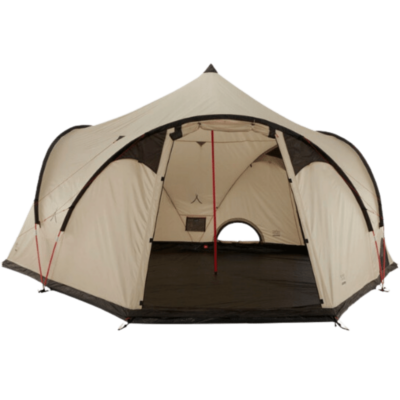
Glamping Tent Indiana 10 GRAND CANYON®
Original price was: 1200.00 €.599.00 €Current price is: 599.00 €. Select options This product has multiple variants. The options may be chosen on the product page -
- 13%
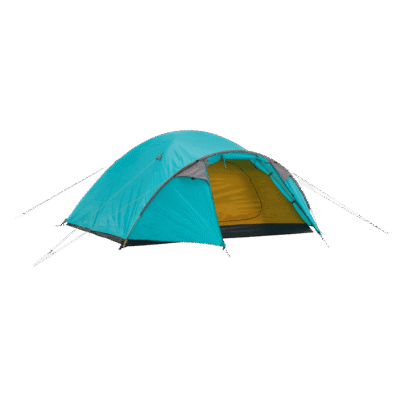
Topeka 3 Tent
Original price was: 150.00 €.129.95 €Current price is: 129.95 €. Select options This product has multiple variants. The options may be chosen on the product page -
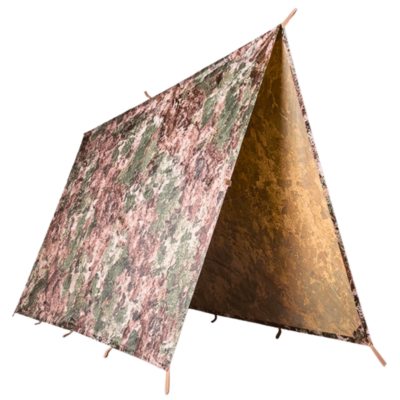
Tarp ZUNI 3×3 Mojave Desert Sand (Set)
69.00 € Add to cart -
Tarp ZUNI 4×4 Capulet Olive (set)
79.00 € Add to cart -
Tarp ZUNI 4×4 Mojave Desert Sand (Set)
79.00 € Add to cart -
- 20%
Richmond 1 Tent
Original price was: 100.00 €.79.95 €Current price is: 79.95 €. Select options This product has multiple variants. The options may be chosen on the product page -
- 20%
Cardova 1 Tent
Original price was: 100.00 €.79.95 €Current price is: 79.95 €. Select options This product has multiple variants. The options may be chosen on the product page -
- 20%
Apex 1 Tent
Original price was: 110.00 €.88.00 €Current price is: 88.00 €. Select options This product has multiple variants. The options may be chosen on the product page -
- 20%
Topeka 2 Tent
Original price was: 135.00 €.108.00 €Current price is: 108.00 €. Read more -
- 13%
Robson 2 Tent
Price range: 139.95 € through 160.00 € Select options This product has multiple variants. The options may be chosen on the product page -
- 11%
Robson 3 Tent
Original price was: 180.00 €.159.95 €Current price is: 159.95 €. Add to cart -
- 9%
Robson 4 Tent
Original price was: 220.00 €.199.95 €Current price is: 199.95 €. Select options This product has multiple variants. The options may be chosen on the product page -
- 11%
Topeka 4 Tent
Original price was: 180.00 €.159.95 €Current price is: 159.95 €. Add to cart -
10-person tent Black Knob GRAND CANYON®
499.95 € Select options This product has multiple variants. The options may be chosen on the product page -
Tarp 3×3 CIV-TEC Camo
49.99 € Select options This product has multiple variants. The options may be chosen on the product page -
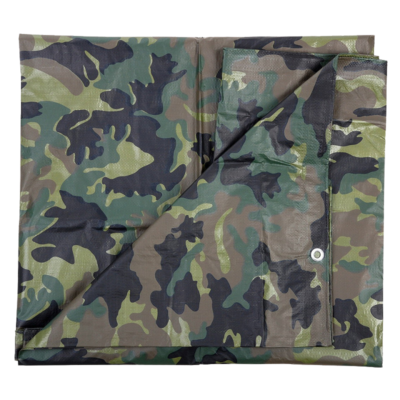
Tarp 3×3 Woodland
35.00 € Add to cart -
- 25%
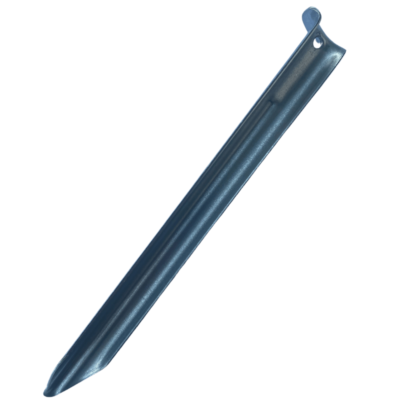
PeakPro Extra Wide Tent Stakes (Set of 10)
Original price was: 20.00 €.14.99 €Current price is: 14.99 €. Add to cart -
- 14%
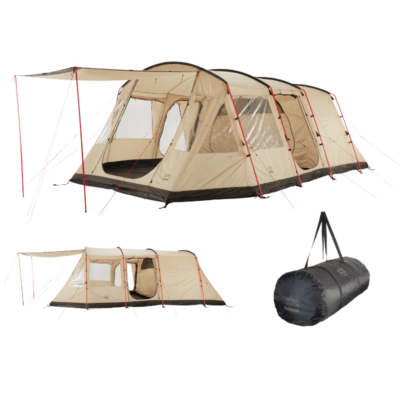
5-6 person tent DOLOMITI GRAND CANYON®
Original price was: 700.00 €.599.00 €Current price is: 599.00 €. Add to cart
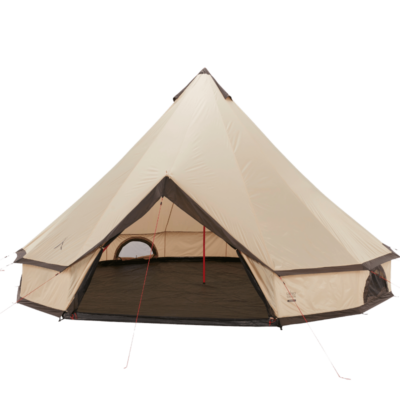
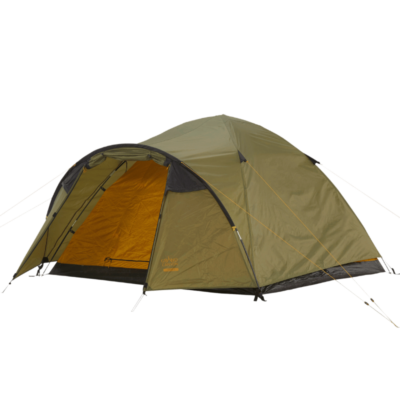
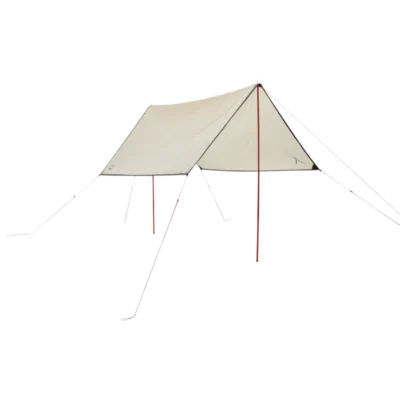
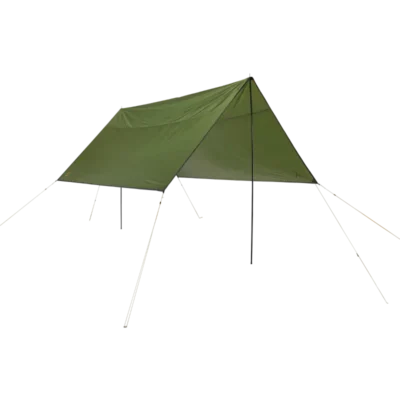
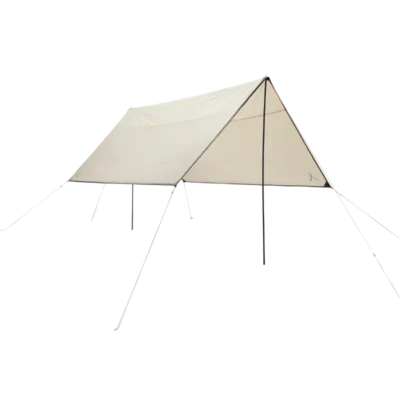
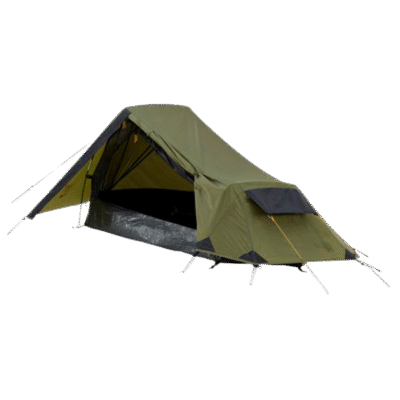
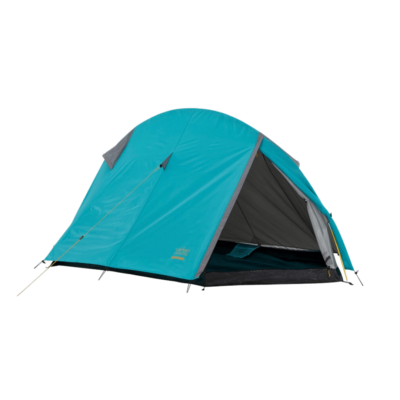
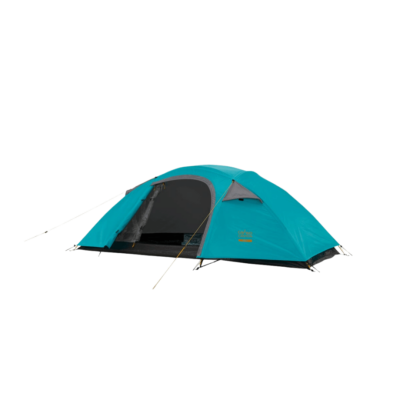
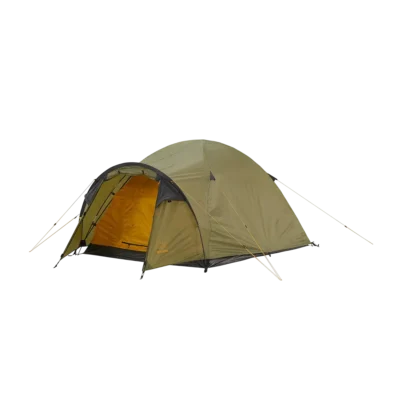
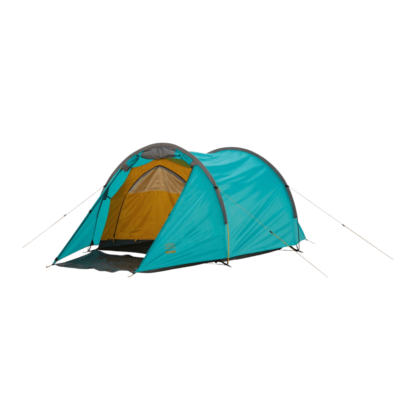
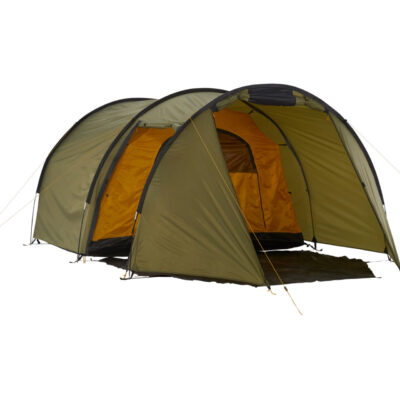
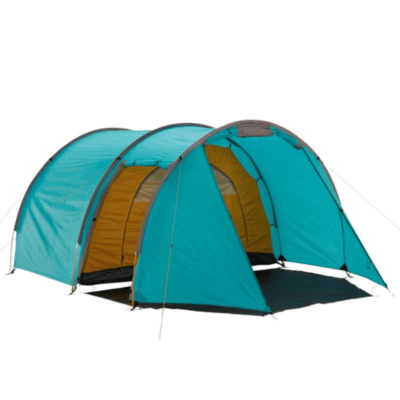
How to choose a suitable tent and what types of tents are there?
If you’ve planned to purchase a tent, whether for hiking, a family holiday, or another adventure, you’re in the right place. This guide will help you choose the ideal tent that meets all your needs and ensures a comfortable and safe place to sleep in nature. We’ll find suitable tents for every hiker.
1. The ABCs of Choosing a Tent
Before you jump into the world of tents, you need to answer a few important questions:
Climate: Do you need a summer, three-season, or four-season tent? The climate where you use the tent determines its material and construction.
Group size: Are you camping alone, as a pair, or with a larger group? The tent size must be spacious enough for all companions.
Transport: How will you get the tent to your destination? This determines how large and heavy the tent can be.
2. Tent Quality and Materials
Tent quality depends on several factors:
Waterproofness: Water resistance from 1500-2000 mm is considered good. This ensures that even heavy rain won’t enter the tent.
Mechanical strength: Higher quality materials, like those on Hilleberg tents, withstand wear and minor damage better.
UV resistance: Long-term exposure to the sun weakens tent materials, so UV protection is important.
3. Tent Types and Intended Use
Tents are divided into different types depending on their purpose:
Pro tents: These are designed for extreme weather conditions, such as subpolar regions and high mountains.
Four-season tents: Suitable for winter use, withstanding snow and cold.
Three-season tents: Ideal from spring to autumn, lighter and more affordable.
Warm weather tents: Simpler tents, suitable for summer use.
Family tents: Large, roomy, comfortable tents for family holidays.
Roof tents: Suitable for car campers, placed on the vehicle’s roof.
4. Tent Shape and Construction
The shape of the tent affects both its ease of pitching and its functionality:
Ridge tents: Simple and lightweight, often used for hiking.
Dome tents: Popular due to their stability and easy setup.
Tunnel tents: Offer plenty of space and a large porch, ideal for longer stays.
Hybrid tents: Combine the advantages of dome and tunnel tents, often used as family tents.
5. Additional Features and Details
Double entrances: Offer extra space and convenience.
Ventilation openings: Ensure good air circulation and reduce condensation.
Waterproof taped seams: Keep the tent dry even during heavy rain.
Quality window material: Provides durability in extreme weather conditions.
6. Tent Maintenance and Longevity
A tent’s lifespan depends on how it’s maintained. After every use, the tent should be cleaned and properly dried. UV radiation can damage the tent in the long run, so it’s recommended to avoid prolonged exposure to the sun.
7. Summary
Choosing a tent is an important decision that affects your hiking experience. By considering quality, materials, type, and extra features, you can choose a tent that meets all your needs. Whether it’s a quick weekend hike or a longer family holiday in nature, the right tent makes your experience enjoyable and memorable.
If you have more questions about tents or need more specific advice, we’re always ready to help. Our goal is to ensure your next outdoor adventure is memorable and worry-free!
Find inspiration for your next adventures on Toidupakk’s Instagram and Facebook.
Check out the coolest tents HERE.


