Warm underwear
Showing all 6 results
-

Merino wool thermal underwear Norfin® NATURAL HEAT
119.95 € Select options This product has multiple variants. The options may be chosen on the product page -
- 29%
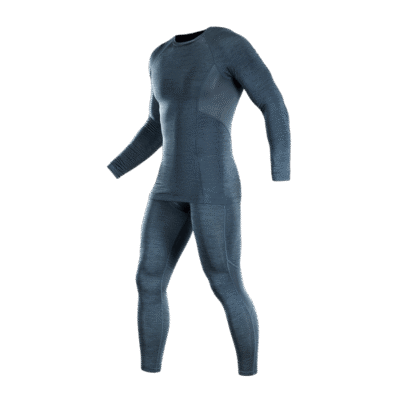
Warm Sports Underwear M-TAC ACTIVE (Set)
Original price was: 70.00 €.49.99 €Current price is: 49.99 €. Select options This product has multiple variants. The options may be chosen on the product page -
- 22%
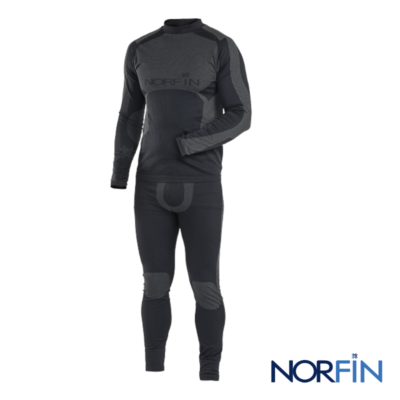
Men’s Thermal Underwear Norfin® ACTIVE PRO
Original price was: 90.00 €.69.99 €Current price is: 69.99 €. Select options This product has multiple variants. The options may be chosen on the product page -
- 17%
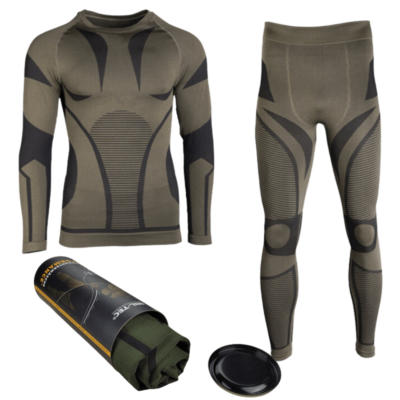
Warm thermal underwear PERFORMANCE
Original price was: 60.00 €.49.99 €Current price is: 49.99 €. Select options This product has multiple variants. The options may be chosen on the product page -
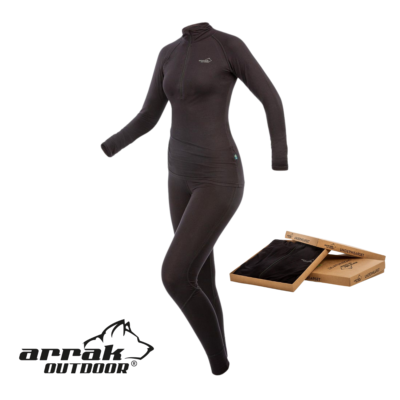
Women’s Thermal Underwear ULTRA BAMBOO Set
59.99 € Select options This product has multiple variants. The options may be chosen on the product page -
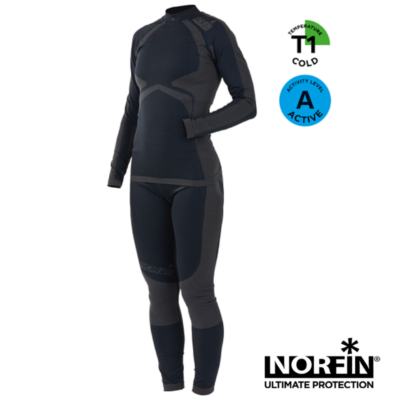
Women’s Thermal Underwear Norfin® ACTIVE PRO
90.00 € Select options This product has multiple variants. The options may be chosen on the product page

Warm underwear that actually works (hiking, work, and winter in the city)
When it’s below zero, windy, or wet sleet, a thick jacket won’t save you — the right warm underwear will. Well-chosen thermal underwear keeps you warm without making you sweat through, and lets your body stay dry even when the pace varies.
Below you’ll find a clear overview of what thermal underwear options exist, the advantages of each, and how to wear the base layer correctly according to layering — so you’re comfortable even on longer hikes, skiing, or daily in winter.
What is warm underwear and why is it the most important layer in winter?
Warm underwear (thermal underwear) is the first layer directly against the skin, whose task is to:
wick moisture away from the skin (sweating is the #1 cause of feeling cold),
retain body heat,
regulate temperature so you don’t turn into a “sauna” on the ascent and a “fridge” during breaks.
If the base layer stays wet, the body cools down quickly — even if the outer jacket is expensive and thick. That’s why thermal underwear for men and warm underwear for women is often the smartest investment in winter clothing.
Types of warm underwear: what options are there and when to choose what?
1) Merino wool underwear (natural “temperature keeper”)
Merino wool underwear is the best choice for many in cold and varying intensity conditions.
Advantages
warm even in cold and wind,
odor-resistant (suitable for multi-day use),
comfortable and soft, doesn’t “stick” when sweaty like many synthetics.
When to choose
winter hiking, snowshoeing, sledding, waiting while hunting/fishing,
several days in a row with the same set,
when you want “one layer that works in most situations”.
Disadvantages
generally dries slower than pure synthetics,
requires gentler care.
If you’re primarily looking for odor resistance and “consistently comfortable” warmth, choose merino wool thermal underwear.
2) Synthetic thermal underwear (maximum moisture wicking and faster drying)
Synthetics (e.g., polyester, polyamide, elastane, and functional fibers) are designed to quickly move sweat away from the body.
Advantages
dries quickly,
suitable for intense activity (skiing, running, faster hiking),
often more affordable and durable.
When to choose
if you sweat a lot,
if you move fast and do frequent ascents/descents,
if you want easy care.
Disadvantages
can start to collect odors faster (especially during multi-day use).
3) Wool blend thermal underwear (a compromise that’s often the best “everyday”)
Wool blends combine merino wool comfort and synthetic durability/drying.
Advantages
better shape retention and wear resistance,
faster drying than pure wool,
good choice for everyday winter + weekend hiking.
When to choose
if you want one set for both the city and the woods,
if you’re looking for “one set for most weather”.
4) Mesh and “body-mapping” thermal underwear (high intensity, athletic use)
Some models have a mesh structure or zones (more breathability in places where you sweat more).
Advantages
very good ventilation,
ideal for athletic movement.
When to choose
skiing, “fast-paced” hiking, winter training.
Layering logic: how to wear thermal underwear under other clothes?
Layering is a simple system that keeps you warm and dry because you can add or remove layers according to the situation.
1) Base layer: warm underwear / thermal underwear
must be close to the skin so moisture moves immediately into the fabric,
avoid a “loose” size — it creates cold air pockets.
2) Mid-layer: insulation (e.g., fleece, wool sweater, thinner jacket)
keeps the heat in,
choose according to temperature and wind.
3) Outer layer: protection (wind and/or waterproof jacket)
protects against wind, snow, rain,
a good outer layer only “works” if the base layer wicks moisture.
Practical rule:If you start sweating while moving, open zippers or remove a mid-layer before you get soaked. You’ll cool down faster later.
Thermal underwear for men and warm underwear for women: what to look for in cuts?
Thermal underwear for men
room for movement in shoulders and chest (hiking with a backpack),
sufficient length on the back (so the lower back isn’t exposed),
comfortable waistband and friction-free interior.
Warm underwear for women
anatomical cut (moves with the body),
higher waist or better back support (very important in the cold),
smooth seams and elastic material so layers don’t “roll”.
In both cases, look for: flat seams, stretch, “chafe-free” zones, and that sleeves/pant legs stay in place.
How to choose the right warm underwear thickness (thin, medium, warm)?
Thin (lightweight)
active movement, “winter workout”, more layers on top,
good also around 0…+5 °C if you’re constantly on the move.
Medium (midweight)
most universal: hiking, skiing, everyday winter,
good balance between warmth and breathability.
Warm/thick (heavyweight)
slow movement, long periods of standing, very cold weather,
also suitable for those who “feel the cold” or if you spend a lot of time stationary.
If you have one set: often choose medium. If you want two: thin + warm covers almost all situations.
Quick comparison: merino wool vs synthetic vs blend
Care: how to keep thermal underwear like new for longer
wash with 30 °C delicate cycle, in a laundry bag if necessary,
use a mild detergent (suitable for wool if it’s merino),
avoid high spin speeds and the dryer (especially for wool),
dry hanging and let the shape recover.
Proper care = better fit, less wear, and longer life.
Frequently Asked Questions (FAQ)
Does thermal underwear have to be very tight?Yes, the base layer must be close to the skin so moisture moves quickly away from the body. Thermal underwear that’s too big will start “pumping cold air” in the chill.
Does merino wool underwear itch?Most merino fabric is soft and comfortable, but sensitive skin might prefer a wool blend or very fine merino. Correct sizing and smooth seams matter a lot.
How many sets are reasonable?If you’re often outdoors: 1 medium set for everyday + 1 thinner or thicker according to your winter habits.
Is thermal underwear suitable for work in the city?Yes. Warm underwear for women and thermal underwear for men is also great for commuting, public transport, and being outdoors with kids — especially when the weather is damp and windy.
Choose the right warm underwear for you and face the cold with peace of mind
Browse the Toidupakk.ee selection and find thermal underwear that fits your pace, weather, and use — whether it’s merino wool underwear, synthetic, or a wool blend.If you want “one set that works,” start with medium thickness and choose the material based on whether you value odor resistance (merino) or fast drying (synthetic) more.
See the full selection here: Warm underwear / thermal underwear (MatkaPRO etc.) — and get ready for winter.From us: fast delivery (mostly 1–2 business days), free shipping from 69 €, and customer support M–F 9–17.


